1 min read
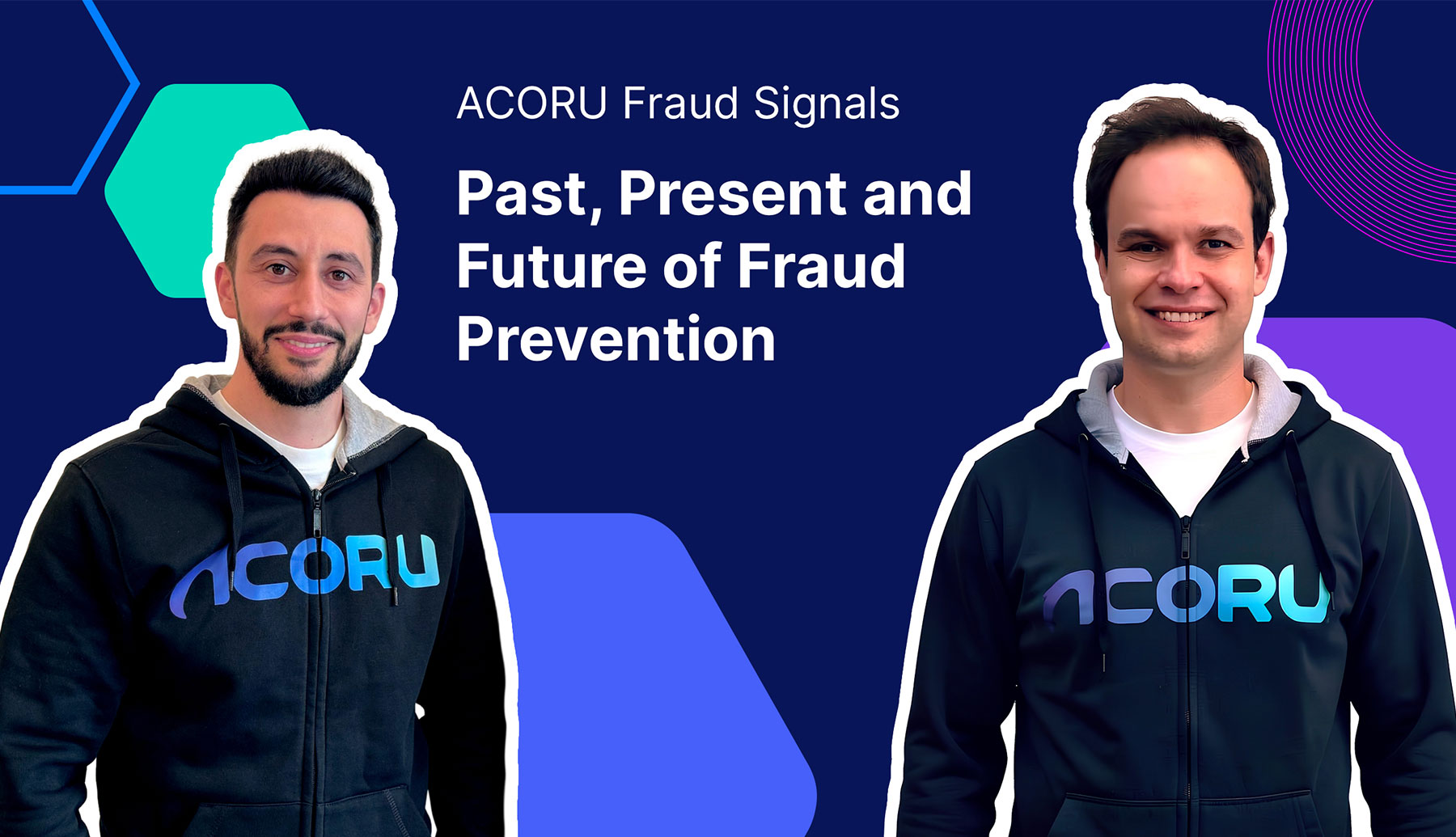
Past, Present and Future of Fraud Prevention
Twenty years of fighting financial fraud leaves you with a particular kind of pattern recognition. In this episode of Fraud Signals, Richard, Acoru's...
1 min read
Acoru : May 7, 2026 3:00:00 PM
Internet fraud losses in the US have grown from $1 billion to over $20 billion in a decade. Legislation is moving through Congress. A Massachusetts court just found a social media platform liable for harmful content.
In this episode, Ken Jochims, Head of Product Marketing, speaks with Chris full name + title] about what these developments mean practically for fraud programs at US banks and credit unions.
The fraud mix has inverted. Authorized fraud now accounts for over 80% of losses — up from around 20% a few years ago. Most bank fraud programs were built for the opposite problem.
The SCAM Act would force coordination across the ecosystem. Banks have long argued they can't solve a problem that originates on social media platforms. This legislation, backed by the ABA, would bring platforms, payment networks, and regulators into the fight.
A Massachusetts court ruling chipped away at Section 230. A platform was found liable for harmful third-party content on negligent product design grounds. It can still be overturned on appeal, but it's the first meaningful legal pressure on a shield that's been in place since 1996.
$20 billion is likely an undercount. The FBI's IC3 report puts internet fraud losses at over $20 billion. Authorized fraud is systematically underreported, so the real figure is higher.
No crypto product doesn't mean no crypto exposure. Customers move money through traditional bank accounts to fund crypto platforms, or unwittingly act as mules. The exposure exists regardless.
Mandatory reimbursement in the US is not unthinkable. It's still years away. But the direction of legislation, court outcomes, and regulatory scrutiny means fraud leaders should be modeling their exposure now, not when it arrives.
Fraud in Latin America is moving fast, and the institutions keeping pace are the ones rethinking how they detect, share, and act on intelligence. If the challenges discussed in this episode sound familiar, we would be glad to show you how Acoru works in practice.
1 min read
Twenty years of fighting financial fraud leaves you with a particular kind of pattern recognition. In this episode of Fraud Signals, Richard, Acoru's...
1 min read
Fraud prevention teams across Latin America are dealing with the same headaches, whether they're sitting in Mexico City or Bogotá.
1 min read
The first full year of data on the UK’s authorised push payment (APP) reimbursement requirement is now in, and it's enough to move beyond initial...